
How does green light affect photosynthesis?
Plant and Green light Introduction
How does green light affect photosynthesis? We often focus on blue and red colors in grow lights because chlorophyll easily absorbs those wavelengths, as shown by the ubiquitous Chlorophyll Absorbance Curves (Figure 1). But what about green light?
People often overlook green light due to the big dip in its absorbance area (Figure 1). However, in this post, we will make a strong case for green light’s significant impact on indoor farming.
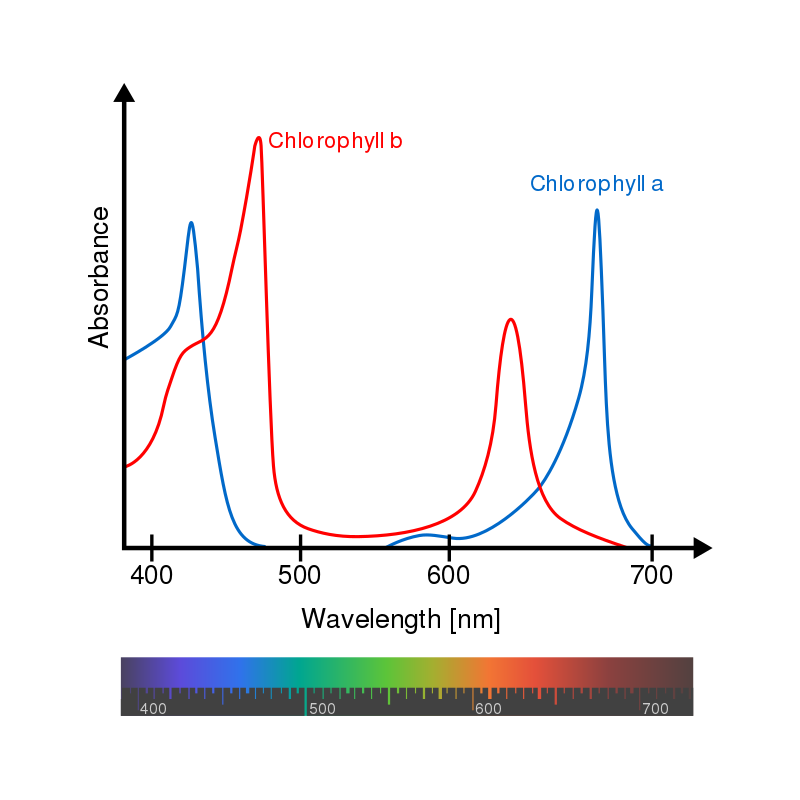
Fig 1 Chlorophyll Absorbance Chart
The McCree Curve Contradiction?
The most prevalent argument for green light’s efficacy is the McCree Curve graph (Figure 2). Keith McCree’s photosynthesis experiments, conducted in 1972, seem to contradict the traditional absorbance curves by showing a more significant photosynthetic contribution from green colors.
The McCree Curve does, in fact, accurately represent the efficacy of green light. Additionally, there is no contradiction with the Absorbance Curves – the two graphs measure different aspects of data. Here’s the explanation.
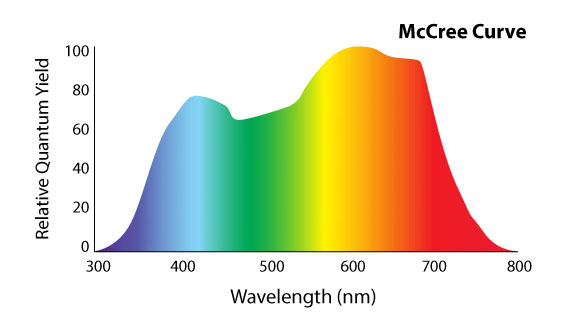
Fig 2 McCree Curve
Absorbance curve explained.
Traditional absorbance curve data comes from ground-up plant samples soaked in a solvent to separate the chlorophyll, which is then placed in a liquid solution.
Next, different colors of light pass through the liquid. A spectral device records the residual color characteristics of the transmitted light to determine how much of that light color the chlorophylls absorbed.
Researchers test different wavelengths of reds, blues, and greens, once for chlorophyll-a and once for chlorophyll-b. They record the data and use it to create the absorbance curves (Figure 1).
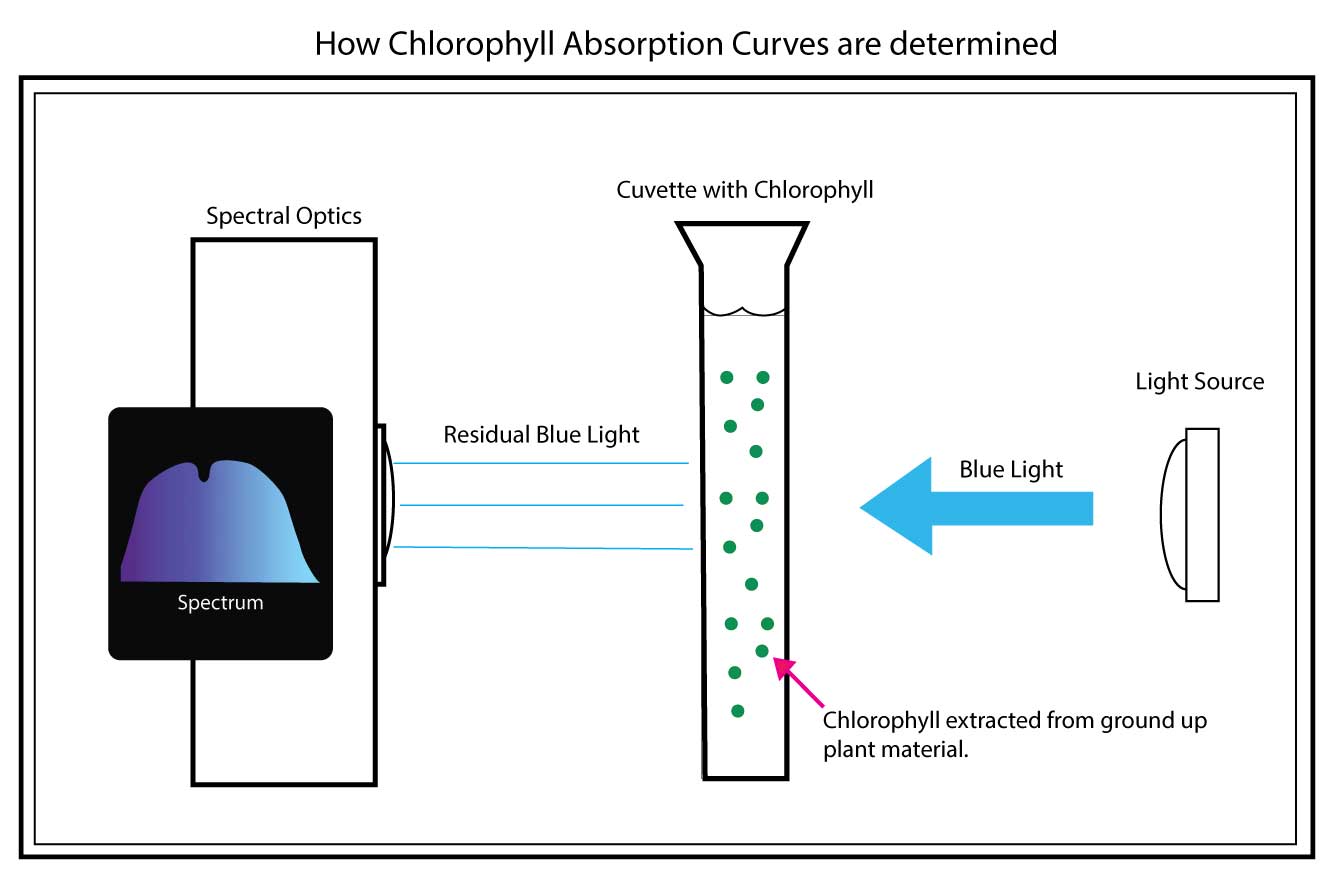
Fig 3 How Absorbance Curve data is accumulated.
McCree Curve explained.
The McCree experiments use whole solid leaves instead of ground-up plant components, which explains the differing data. In these experiments, leaves are placed in enclosed chambers and exposed to different light colors.
Researchers measure the increase in oxygen from photosynthetic respiration in the chamber to indicate how much photosynthesis occurred for each light color. At first, you might expect similar results to the traditional absorption curves, but another factor changes the game.
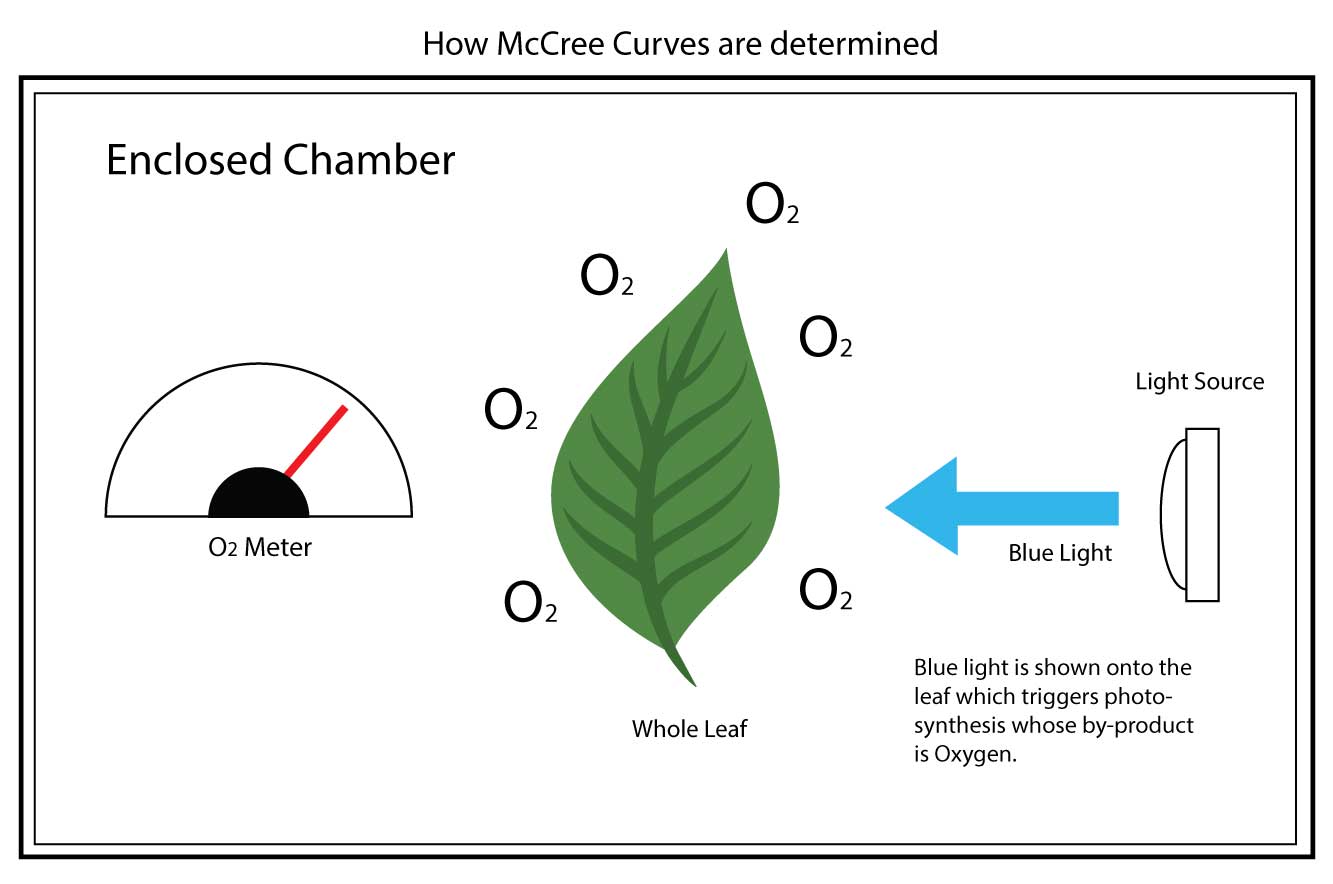
Fig 4 How McCree Curve data is accumulated
Leaf light absorbance
That factor is the thickness of the leaf tissue. Though visually flat, a leaf is quite thick in the microscopic world. The blue and red colors of light only penetrate the superficial layers of leaf tissue (Figure 5).
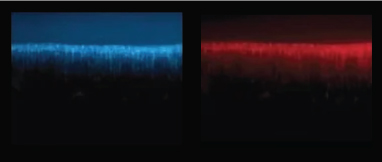
Fig 5 Leaf light absorbance (blue-left, red-right)
Broderson and Vogelmann (Functional Plant Biology 2010 37.403-412)
However, green light penetrates deeper and can even transmit through the leaf (Figure 6).
Even though chlorophyll absorbs a lower percentage of green light, green light has a better chance of contacting more chlorophyll deeper into the tissue. It’s a tradeoff – less chlorophyll absorbability but greater leaf penetration.
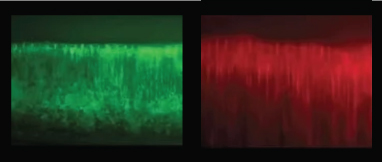
Fig 6 Leaf light absorbance (green-left, far-red-right)
Broderson and Vogelmann (Functional Plant Biology 2010 37.403-412)
Furthermore, a larger percentage of green light (and far-red) can transmit through the leaf and impact photosynthesis in lower branches, where blue and red light is limited to the top layer of leaves. This makes green light especially useful for dense, bushy plants like cannabis.
To demonstrate this, you can use a spectrometer or spectral PAR meter and take a light recording underneath a leaf – the resulting spectrum (Figure 7) will show a preponderance of green and far-red light (>700nm).
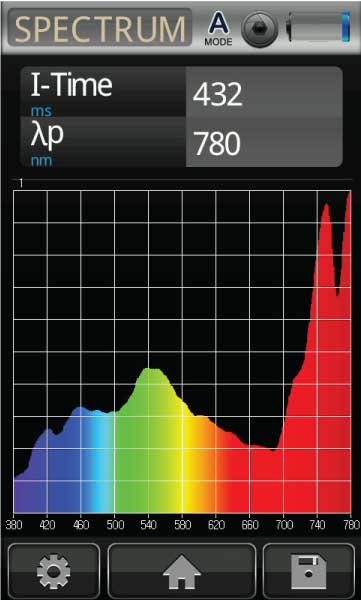
Figure 7 Spectrum of sunlight transmitting through a leaf.
Summary
The Chlorophyll Absorbance Curves suggest that green colors in grow lights have minimal impact – this might be misleading if you are trying to correlate it to photosynthesis.
In contrast, the McCree Curve data directly ties to photosynthesis and involves whole-leaf sampling. It introduces a new factor of light penetration into leaf tissue: green light better penetrates leaf tissue and transmits through to lower-layer leaves, increasing the contact rate between green photons and chlorophylls.
In summary, the McCree Curve strongly suggests that green colors in grow lights are significant – and there is substantial research data and empirical evidence to support this.
Other related UPRtek articles.
- What Is a Grow Light? How Does It Work? Comparing Grow Lights to Regular Bulbs
- What Color of Grow Light is Best? Why Grow Lights are Purple?
- Cannabis Grow Lights: Which Light Is Best for Growing Cannabis?
- Human Centric Lighting for Offices: Impact, Benefits, and System Development
- What is Human Centric Lighting? Development, Applications, and Solutions
- What Is an Imaging Colorimeter? Applications & Features
- Green-light supplementation for enhanced lettuce growth under red- and blue-light-emitting diodes. | Kim, H.-H., Goins, G. D., Wheeler, R. M., & Sager, J. C. (2004).
- Don’t ignore the green light: Exploring diverse roles in plant processes. | Smith, H. L., McAusland, L., & Murchie, E. H. (2017).
- Green light drives leaf photosynthesis more efficiently than red light in strong white light: Revisiting the enigmatic question of why leaves are green. | Terashima, I., Fujita, T., Inoue, T., Chow, W. S., & Oguchi, R. (2009).
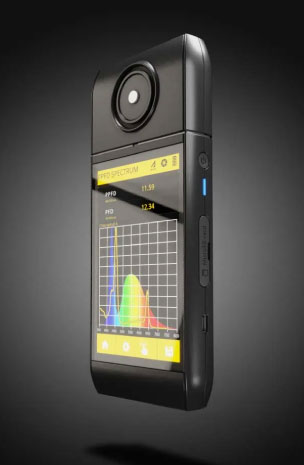
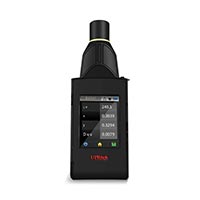
PG200N Spectral PAR Meter
Spectral PAR measurement gives farmers and researchers the advantages of expert lighting by helping them measure and tweak color parameters to improve the quality, timing, and quantity of their products.
Hot Product

Handbook Series
The Flicker Handbook
Everything thing you need to know about Flicker, an insidious, potentially serious lighting artifact impacting visual safety for public places like hospitals, offices, libraries, and more...
About UPRtek
United Power Research and Technology
UPRtek (est. 2010) is a manufacturer of portable, high-precision light measurement instruments; Handheld Spectrometers, PAR meters, Spectroradiometers, Light Calibration Solutions.
UPRtek HQ, R&D and manufacturing are all based out of Taiwan, with Worldwide representation through our certified Global Resellers.
Latest Articles
Category

0 Comments