Learn what photolithography is, how it works, key process steps, advantages, and future trends shaping advanced semiconductor chip fabrication technology.
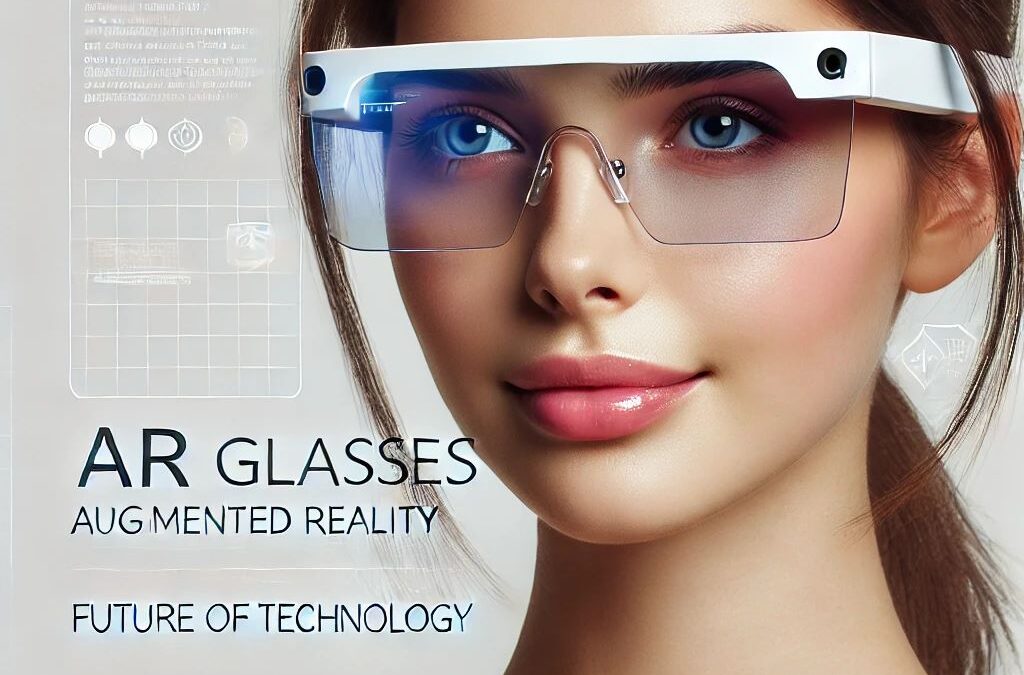
Learn how waveguide displays work, their benefits, common types, features, challenges, and why they are essential for AR smart glasses and wearable displays.
Learn all the basics of near-eye display technology, including optics, components, metrology challenges, comfort, immersion, and common uses like VR and AR.
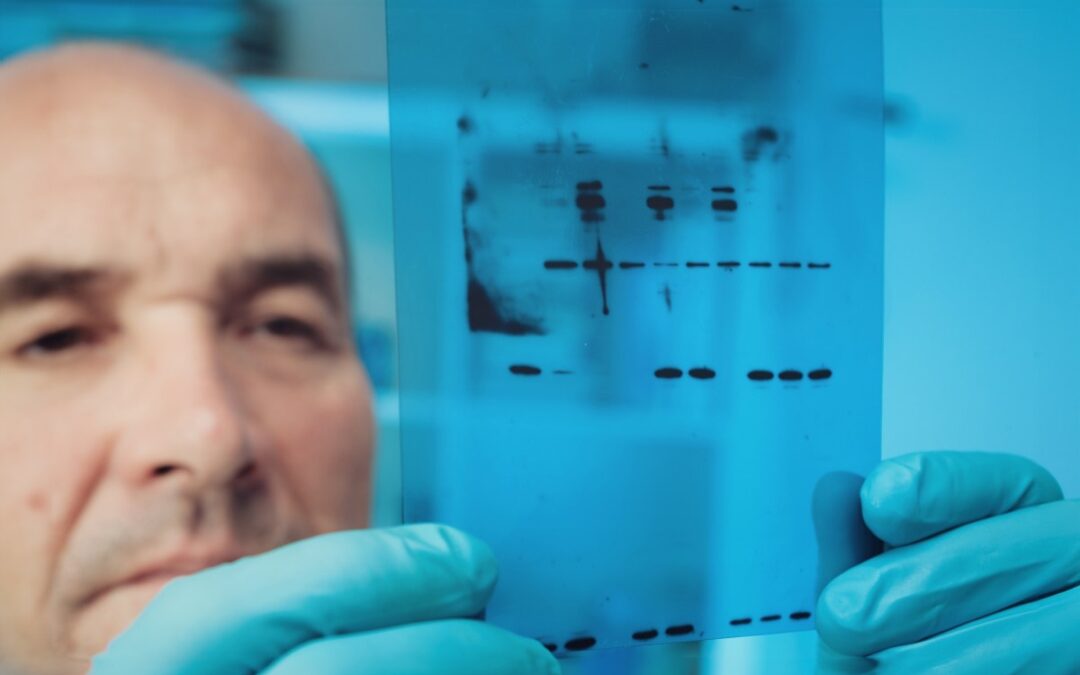
protein detection comes in many flavors, ranging from the classic Western blot to advanced mass spectrometry. Each method varies in sensitivity, specificity, throughput, complexity, and cost. Choosing the wrong one can lead to inaccurate results, wasted time, and unnecessary expenses.
As companies pursue ESG goals and sustainability, workplace lighting is gaining attention for its impact on energy use, health, and comfort. Human centric lighting design offers a strategic approach that enhances both human well-being and environmental performance, helping organizations advance toward a sustainable future.
Indoor gardening allows people to grow fresh vegetables regardless of outdoor climate, but many run into the same challenge — their plants don’t grow as expected. Leaves may appear pale or leggy, and fruiting crops might struggle to flower or set fruit at all. In many cases, the issue lies in using the wrong type of vegetable grow light.
Whether you’re starting a few trays at home or running a small propagation setup, choosing the right seedling grow light can make a measurable difference in plant health and survival. In this guide, we explore different types of grow lights, what features to look for, and how to set them up for the best results.
Understanding the structure, quantity, and interactions of proteins is fundamental to life sciences. Protein analysis techniques are a diverse set of methods used to study proteins at various stages—from expression and structure to modification and function. Whether in biomedical research, diagnostics, or pharmaceutical development, the ability to observe and measure proteins accurately is critical.
As a handheld UV spectrometer for plasma, it enables engineers to achieve high precision in plasma monitoring, enhancing efficiency in applications like PECVD thin-film deposition and UV spectral analysis for semiconductor etching.
Human centric lighting (HCL) is an innovative approach to lighting that prioritizes human well-being, health, and productivity by aligning artificial light with our natural biological rhythms. As we spend more time indoors, understanding the concept of “what is human centric lighting” and its solutions becomes increasingly important.

Flicker has emerged as a critical metric for assessing the quality of displays and lighting products. Flicker not only impacts visual comfort but also poses potential risks to visual task efficiency and health.
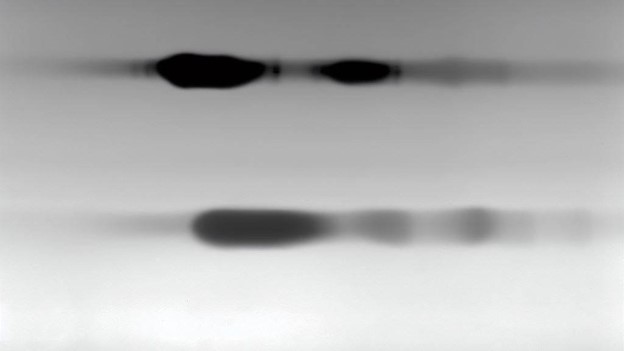
The Western Blot Imaging System has become an indispensable tool in various scientific fields, especially in molecular biology and clinical diagnostics. This system plays a critical role in detecting and analyzing specific proteins within a sample by utilizing sophisticated imaging technologies.
Human Centric Lighting refers to lighting solutions designed to benefit human health and well-being by simulating the dynamic variations of natural daylight.
The WELL certification provides requirements to ensure optimal indoor lighting conditions, addressing the quality and impact of artificial light on our health.
Do you know what is an Imaging Colorimeter? It captures detailed data for every pixel, making it ideal for evaluating the uniformity, brightness, and color consistency of displays, LEDs, and lighting systems.
Western blotting is a widely used technique for detecting specific proteins in biological samples, relying on labeled antibodies to identify proteins of interest. The choice of imaging system is crucial, typically falling into two main categories: chemiluminescent and fluorescent imaging techniques.
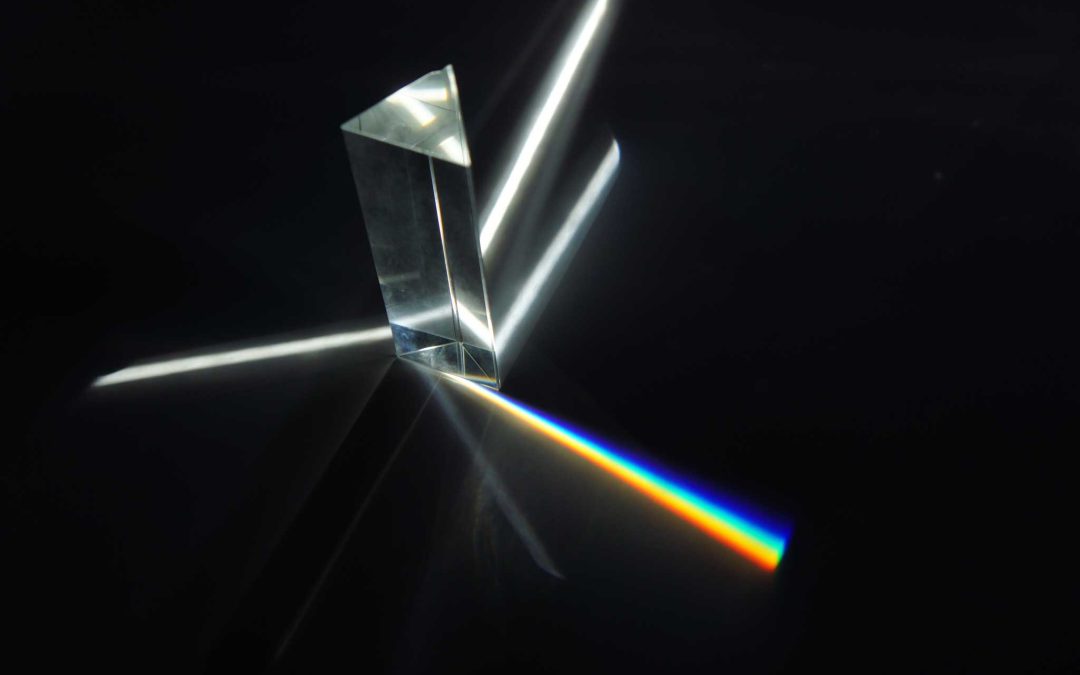
Why is the sky blue? It’s the quintessential kid question that stumps parents all the time. But, if your child were to ask it, could you answer? In this article, we cut straight to the essential points to make you the expert on sky color.
3 Spectral Devices standout; Spectrometer, Spectrophotometer and Spectroradiometer. However these terms are often used interchangebly and results in misunderstandings. In this article we discuss the differences.
We non-scientists take for granted that light is just light, and hardly think about where it comes from or how it’s produced. So if your work involves light, lighting or even indoor farming, we thought you might like to know.
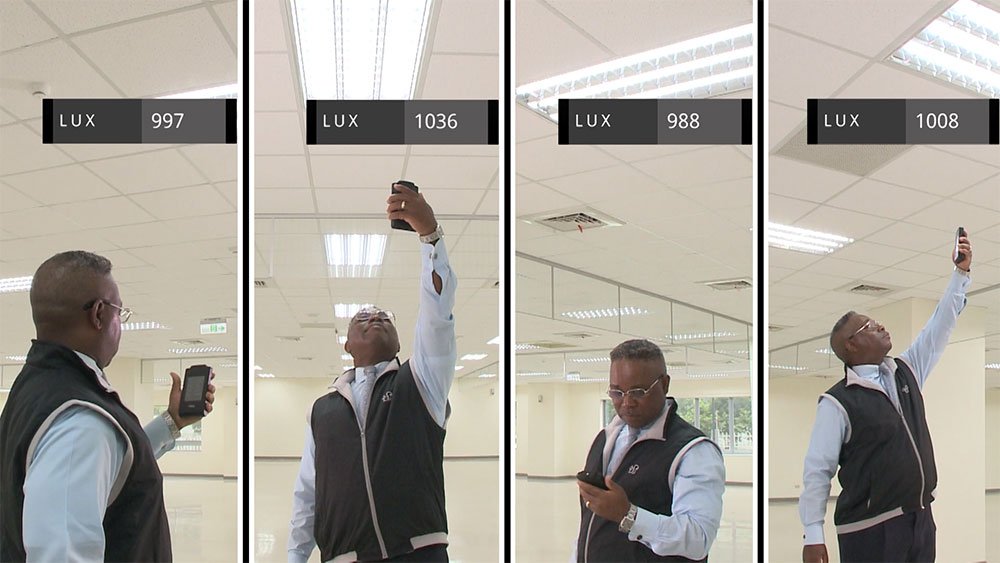
Many of our spectrometer users ask how to measure light intensity accurately, and whether the distance between the meter and the light source affects the results. The answer is — it depends on what you’re measuring.
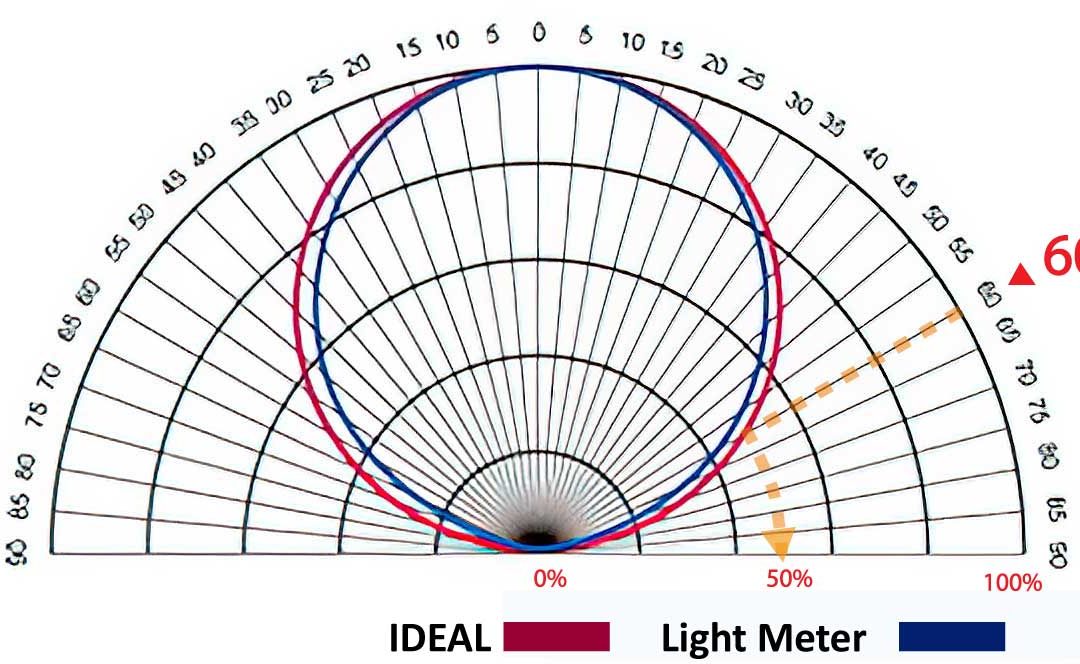
Cosine Correction is a term often encountered when working with light meters. In this article, we aim to explain this term by addressing everything you wanted to know about Cosine Correction.
What is the difference between a Colorimeter and Spectrometer? Both devices capture light in order to analyze it’s properties for any number of applications. However, there are some major differences that set them apart. In this article, we will explain the differences by contrasting structural design, functionality, applications, accuracy, advantages and disadvantages.
Handbook Series

The Flicker Handbook
Everything thing you need to know about Flicker, an insidious, potentially serious lighting artifact impacting visual safety for public places like hospitals, offices, libraries, and more...
About UPRtek

United Power Research and Technology
UPRtek (est. 2010) is a manufacturer of portable, high-precision light measurement instruments; Handheld Spectrometers, PAR meters, Spectroradiometers, Light Calibration Solutions.
UPRtek HQ, R&D and manufacturing are all based out of Taiwan, with Worldwide representation through our certified Global Resellers.
Latest Articles